Canada’s agricultural sector is actively recruiting international workers for farm worker jobs Canada visa sponsorship opportunities in 2026. This guide is designed for foreign workers seeking legitimate employment in Canadian agriculture, from seasonal laborers to those pursuing long-term agricultural careers.
Finding work on Canadian farms has become more accessible through various visa sponsorship programs that connect skilled workers with employers across the country. Many farms struggle to fill positions locally, creating real opportunities for international candidates willing to work in agriculture.
We’ll explore the seasonal agricultural worker program Canada and other visa pathways that lead to farm employment. You’ll also discover which Canadian provinces offer the best opportunities for agricultural jobs Canada foreign workers, including details about application requirements and salary expectations. Finally, we’ll cover how farm work can serve as a stepping stone toward permanent residency, giving you a clear roadmap from temporary employment to potentially calling Canada home.
Understanding Farm Worker Visa Sponsorship Programs in Canada

Types of visa programs available for agricultural workers
Canada offers several farm worker visa sponsorship programs designed to address labor shortages in the agricultural sector. The Seasonal Agricultural Worker Program (SAWP) remains the most popular option, allowing workers from specific countries to enter Canada for up to 8 months annually. The Temporary Foreign Worker Program (TFWP) provides another pathway, enabling employers to hire foreign workers when Canadian citizens and permanent residents are unavailable.
The Provincial Nominee Program (PNP) offers unique opportunities for agricultural workers seeking permanent residency. Several provinces have dedicated streams for farm workers, recognizing their essential role in Canada’s agricultural economy. The Agri-Food Immigration Pilot represents a newer initiative, specifically targeting meat processing and mushroom production workers who can transition to permanent residency.
Each program has distinct eligibility criteria, processing times, and benefits. Workers can access these programs through employer sponsorship, making it crucial to understand which option aligns best with their career goals and circumstances.
Seasonal Agricultural Worker Program benefits and requirements
The SAWP connects agricultural employers with experienced workers from Mexico and participating Caribbean countries. This Canada farm worker visa program 2026 allows participants to work for the same employer for up to 8 consecutive months, with the possibility of returning annually.
Key benefits include:
- Guaranteed minimum hours (240 hours over 6 weeks)
- Free round-trip transportation
- Adequate, affordable housing
- Workplace safety insurance coverage
- Access to healthcare services
Requirements for workers:
- Previous agricultural experience
- Good health and physical fitness
- Valid passport from participating countries
- No criminal record
- Commitment to return home at contract completion
Employer obligations:
- Provide accommodation meeting federal standards
- Cover transportation costs
- Offer minimum wage or higher
- Ensure workplace safety compliance
- Assist with healthcare registration
Temporary Foreign Worker Program opportunities
The TFWP offers broader opportunities for agricultural jobs Canada foreign workers beyond seasonal positions. This program allows employers to hire foreign workers for various agricultural roles when no Canadian workers are available.
Program streams include:
- High-wage positions: Jobs paying above provincial median wage
- Low-wage positions: Entry-level agricultural roles
- Global Talent Stream: For specialized agricultural technology positions
- Caregivers Program: For farm families requiring childcare or eldercare
Application process involves:
- Labour Market Impact Assessment (LMIA) approval
- Work permit application
- Employer-employee matching
- Entry to Canada with valid documentation
The program provides flexibility in contract duration, typically ranging from 6 months to 4 years, depending on the position and employer needs. Workers can potentially transition to permanent residency through various immigration pathways.
Provincial Nominee Program pathways for farm workers
Several provinces recognize the critical importance of agricultural worker immigration Canada and offer dedicated PNP streams. These programs provide direct pathways to permanent residency for qualified farm workers.
Key provincial programs:
| Province | Program Name | Key Requirements |
|---|---|---|
| Manitoba | Farm Investor Pathway | Investment commitment, agricultural experience |
| Saskatchewan | Farm Owner/Operator | Farm management experience, investment capacity |
| Ontario | Employer Job Offer Stream | Job offer from Ontario employer |
| Alberta | Farm Stream | Agricultural background, investment commitment |
Eligibility criteria typically include:
- Minimum work experience in agriculture
- Job offer from provincial employer
- Language proficiency requirements
- Educational qualifications
- Financial capacity demonstration
- Intention to reside in nominating province
The farm worker permanent residency Canada pathway through PNP typically takes 12-18 months for processing. Successful nominees receive provincial nomination certificates, significantly improving their chances of obtaining permanent residence through the federal Express Entry system.
These programs recognize agriculture’s economic importance and address rural labor shortages while providing foreign workers with stable immigration pathways. Workers must demonstrate genuine commitment to agricultural careers and provincial settlement.
High-Demand Farm Worker Positions Offering Visa Sponsorship

Crop Production and Harvesting Roles
Farm worker jobs Canada visa sponsorship programs heavily favor seasonal crop production workers, with thousands of positions available annually across the country. These roles span from berry picking in British Columbia to apple harvesting in Ontario, offering reliable entry points for foreign workers seeking agricultural employment.
Berry and Fruit Harvesting: Strawberry, blueberry, and raspberry farms consistently require large seasonal workforces. Workers typically earn $15-18 per hour, with many operations providing on-site accommodation. Apple orchards in Nova Scotia and British Columbia recruit internationally through the Seasonal Agricultural Worker Program Canada, offering contracts lasting 6-8 months.
Vegetable Crop Workers: Large-scale vegetable operations in Alberta and Ontario recruit workers for planting, cultivating, and harvesting crops like potatoes, carrots, and leafy greens. These positions often extend beyond traditional harvest seasons, providing year-round employment opportunities with visa sponsorship.
Grain and Cereal Crop Assistants: Prairie provinces offer positions supporting wheat, canola, and barley operations. Workers assist with seeding, crop monitoring, and harvest activities using modern agricultural equipment.
Livestock Care and Management Positions
Canada farm worker visa program 2026 includes substantial opportunities in livestock operations, where consistent year-round employment creates stable pathways for foreign workers seeking permanent positions.
Dairy Farm Workers: Ontario and Quebec dairy operations actively recruit international workers for milking, feeding, and general herd care. These positions typically offer $16-20 per hour with comprehensive benefits packages. Many dairy farms provide housing and meals, making them attractive options for newcomers.
Poultry Production Staff: Chicken, turkey, and egg production facilities across Canada sponsor foreign workers for roles in bird care, facility maintenance, and production monitoring. These indoor positions provide stable employment regardless of weather conditions.
Beef Cattle Ranch Hands: Alberta and Saskatchewan cattle ranches recruit workers for feeding, herding, and general ranch maintenance. These roles often include horseback riding and outdoor work, appealing to those seeking traditional ranch experiences.
Pig Farm Operatives: Swine operations in Manitoba and Ontario offer positions in feeding, cleaning, and health monitoring. These facilities typically operate year-round, providing consistent employment with advancement opportunities.
Greenhouse and Nursery Worker Opportunities
Controlled environment agriculture represents one of the fastest-growing sectors for agricultural jobs Canada foreign workers, with operations expanding rapidly to meet domestic food production demands.
Hydroponic Systems Technicians: Modern greenhouse facilities growing tomatoes, cucumbers, and peppers need workers skilled in hydroponic maintenance, crop monitoring, and harvesting. These high-tech operations in Ontario and British Columbia offer competitive wages ranging from $17-22 per hour.
Nursery Plant Care Specialists: Ornamental plant nurseries and tree farms recruit workers for potting, pruning, watering, and shipping preparation. These positions often provide training in specialized horticultural techniques, valuable skills for career advancement.
Seedling Production Workers: Cannabis cultivation facilities and vegetable seedling operations need workers for germination, transplanting, and early plant care. These roles require attention to detail and often include benefits packages competitive with urban employment.
Climate Control Assistants: Workers monitor and adjust greenhouse environmental systems, ensuring optimal growing conditions. This technical role provides training opportunities leading to supervisory positions.
Equipment Operation and Maintenance Jobs
Modern Canadian agriculture relies heavily on sophisticated machinery, creating numerous opportunities for foreign workers interested in mechanical and technical roles within farm worker visa sponsorship requirements.
Tractor and Harvester Operators: Large grain operations across the Prairie provinces recruit experienced equipment operators for seeding, spraying, and harvesting. These positions command higher wages, typically $20-25 per hour, and require mechanical aptitude.
Irrigation System Technicians: Water management specialists maintain and operate complex irrigation networks on vegetable and fruit farms. These technical positions offer year-round employment and training in specialized agricultural technology.
Maintenance Mechanics: Farm equipment mechanics and general maintenance workers find consistent demand across all agricultural sectors. Many operations provide on-the-job training for workers willing to learn mechanical skills.
Precision Agriculture Technicians: GPS-guided equipment and drone operators represent emerging opportunities in modern farming. These high-skill positions offer pathways to supervisory roles and competitive compensation packages.
Canadian farms increasingly recognize that investing in foreign worker training creates loyal, skilled employees who contribute significantly to operational success, making these technical roles excellent entry points for long-term agricultural careers.
Top Canadian Provinces for Farm Worker Employment
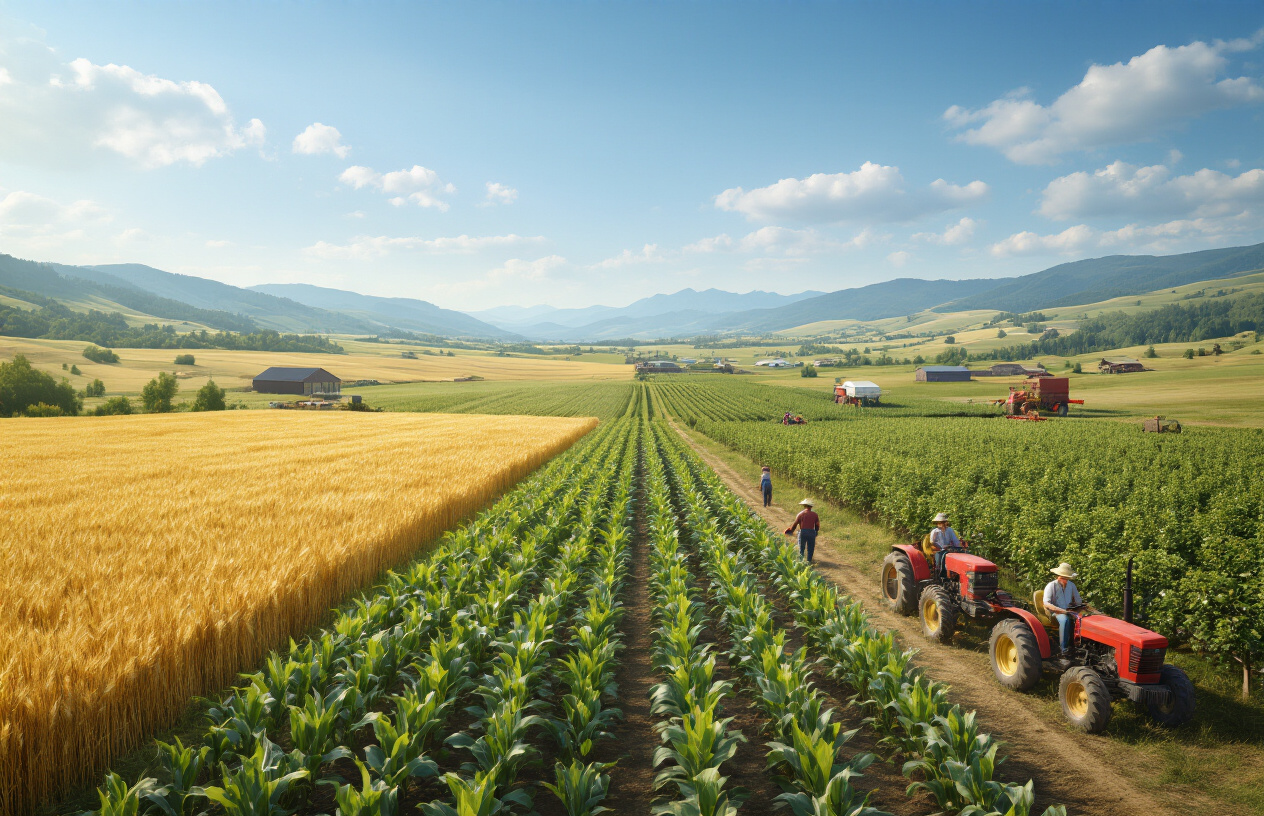
Ontario’s Agricultural Job Market and Sponsorship Rates
Ontario stands as Canada’s agricultural powerhouse, producing over 200 different crops and generating billions in farm revenue annually. The province leads the country in farm worker jobs Canada visa sponsorship opportunities, with thousands of positions available through the Seasonal Agricultural Worker Program and other immigration pathways.
The Ontario government actively supports foreign agricultural workers through streamlined visa processing and high approval rates. Sponsorship success rates in Ontario consistently exceed 85% for qualified applicants, making it the top choice for international farm workers seeking Canadian employment.
Key agricultural sectors in Ontario include:
- Fruit production (apples, berries, grapes)
- Vegetable farming (tomatoes, peppers, leafy greens)
- Greenhouse operations
- Livestock farming (dairy, poultry, beef)
- Field crops (corn, soybeans, wheat)
Major employers like Mastronardi Produce, Ontario Greenhouse Vegetable Growers, and various family farms regularly sponsor foreign workers. The province’s proximity to major US markets creates year-round employment stability, with many farms offering multi-year contracts.
Ontario’s Canada farm worker visa program 2026 initiatives include expanded pathways for permanent residency, with agricultural workers receiving priority processing for provincial nomination programs.
British Columbia’s Fruit and Vegetable Farming Opportunities
British Columbia’s diverse climate zones create exceptional opportunities for agricultural jobs Canada foreign workers, particularly in fruit and vegetable production. The Fraser Valley, Okanagan Valley, and Vancouver Island regions offer some of Canada’s most lucrative farm worker positions with visa sponsorship.
The province’s fruit industry drives significant demand for seasonal workers, especially during harvest seasons from June through October. Apple orchards, berry farms, and vineyards regularly sponsor international workers through established programs.
Top farming opportunities in BC:
| Crop Type | Peak Season | Average Positions | Sponsorship Rate |
|---|---|---|---|
| Berries | June-August | 3,500+ | 90% |
| Tree Fruits | July-October | 2,800+ | 88% |
| Vegetables | May-September | 4,200+ | 85% |
| Greenhouse | Year-round | 1,600+ | 92% |
BC’s agricultural sector benefits from strong labor agreements with source countries, ensuring consistent visa sponsorship opportunities. The province’s seasonal agricultural worker program Canada participation has grown by 15% annually, with expanding quotas for 2026.
Notable employers include BC Tree Fruits Cooperative, Oppy, and numerous organic farms that prioritize sustainable agriculture practices. Many positions offer accommodation, transportation, and comprehensive benefits packages.
Alberta’s Livestock and Grain Farming Positions
Alberta dominates Canada’s livestock and grain production, creating substantial demand for skilled agricultural worker immigration Canada candidates. The province’s vast agricultural landscape supports over 40,000 farms, with many requiring year-round foreign workers for cattle ranching, grain operations, and mixed farming enterprises.
Livestock operations particularly value experienced workers for cattle handling, feeding, and ranch management. Alberta’s beef industry alone employs thousands of foreign workers annually, with sponsorship programs specifically designed for livestock specialists.
Primary agricultural sectors in Alberta:
- Cattle ranching (largest in Canada)
- Grain farming (wheat, barley, canola)
- Dairy operations
- Swine production
- Mixed farming enterprises
The province’s temporary foreign worker program agriculture stream processes applications efficiently, with average approval times of 6-8 weeks for qualified candidates. Alberta’s strong agricultural economy ensures competitive wages, often 10-15% higher than other provinces.
Major employers include Cargill, JBS Canada, and hundreds of family-owned ranches seeking reliable, skilled workers. Many positions lead directly to permanent residency through Alberta’s Provincial Nominee Program, which prioritizes agricultural workers with demonstrated skills and employment history.
Alberta’s agricultural sector offers exceptional career advancement opportunities, with many foreign workers transitioning to farm management roles or establishing their own operations within five years of arrival.
Essential Qualifications and Skills for Sponsored Farm Workers
Physical fitness and endurance requirements
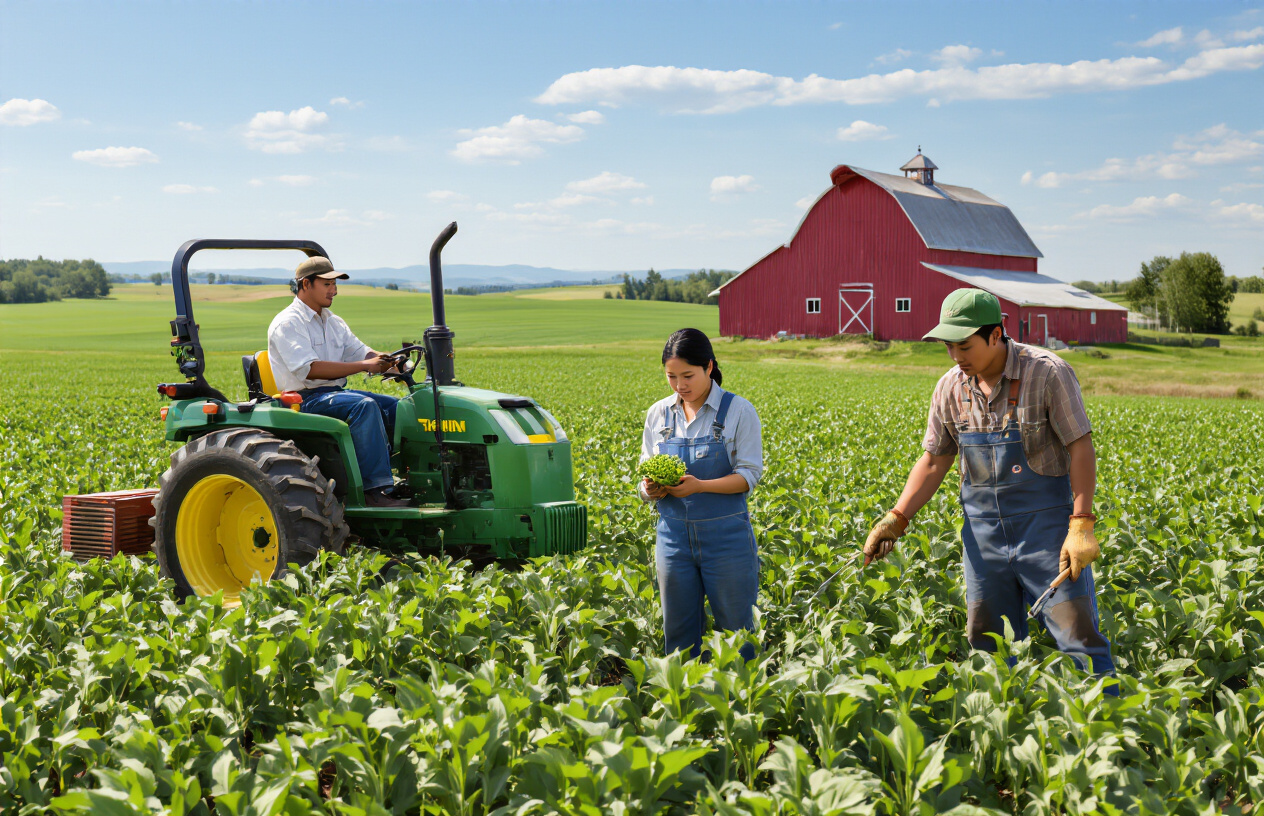
Farm work demands excellent physical condition and stamina. Canadian employers seeking farm worker jobs Canada visa sponsorship prioritize candidates who can handle physically demanding tasks for extended periods. Workers typically spend 8-12 hours daily performing activities like lifting heavy produce containers, operating machinery, bending, kneeling, and standing for long stretches.
Core physical requirements include:
- Ability to lift 50+ pounds repeatedly
- Tolerance for working in various weather conditions
- Hand-eye coordination for precise tasks like pruning and harvesting
- Cardiovascular fitness for sustained physical activity
- Joint flexibility for repetitive motions
Many Canadian farm employment visa programs require medical examinations to verify physical capability. Workers must demonstrate they can perform essential job functions without accommodation and maintain productivity standards throughout peak seasons.
Previous agricultural experience preferences
While not always mandatory, agricultural background significantly strengthens applications for farm worker visa sponsorship requirements. Employers value candidates with hands-on farming experience, equipment operation skills, and understanding of crop cycles.
Preferred experience includes:
| Experience Type | Value to Employers |
|---|---|
| Crop harvesting | High priority – demonstrates speed and quality standards |
| Livestock handling | Essential for dairy and meat operations |
| Machinery operation | Valuable for mechanized farms |
| Greenhouse work | Important for controlled environment agriculture |
| Irrigation systems | Critical for water management roles |
Experience with specific crops common to Canadian agriculture—such as berries, apples, vegetables, or grains—provides competitive advantages. Workers familiar with organic farming practices, pest management, and food safety protocols stand out in the seasonal agricultural worker program Canada selection process.
Language proficiency standards
English or French proficiency requirements vary by province and employer. Most agricultural jobs Canada foreign workers positions require basic conversational skills for safety communication and task coordination. Workers must understand supervisory instructions, safety protocols, and emergency procedures.
Language requirements typically include:
- Basic level: Understanding simple instructions and safety warnings
- Intermediate level: Participating in training sessions and team discussions
- Advanced level: Leadership roles and specialized technical positions
Quebec-based positions may require French proficiency, while other provinces prioritize English. Some programs accept candidates with limited language skills if they demonstrate willingness to improve through workplace training or language courses.
Educational background considerations
Educational requirements for farm worker permanent residency Canada pathways remain flexible. Most positions require:
- High school diploma or equivalent (preferred but not mandatory)
- Basic literacy and numeracy skills
- Vocational training in agriculture (advantageous)
- Food safety certifications (asset)
Specialized roles may require:
- Agricultural diplomas: For supervisory positions
- Equipment certifications: For machinery operators
- Technical training: For greenhouse or livestock specialists
- Business courses: For those pursuing farm management roles
The temporary foreign worker program agriculture often accepts candidates with practical experience over formal education, recognizing that farming skills develop through hands-on learning rather than classroom instruction alone.
Application Process for Visa-Sponsored Farm Worker Positions
Finding legitimate employers offering sponsorship
Securing farm worker jobs Canada visa sponsorship starts with identifying reputable employers who are authorized to hire foreign workers. The best starting point is the Government of Canada’s Job Bank website, where verified employers post positions under the Seasonal Agricultural Worker Program Canada and Temporary Foreign Worker Program. Many legitimate farms participate in these official programs and have experience navigating the sponsorship process.
Major agricultural regions actively recruit international workers through established networks. Large-scale operations in sectors like fruit picking, greenhouse cultivation, and livestock management often partner with recruitment agencies that specialize in agricultural jobs Canada foreign workers. These agencies maintain relationships with farms across multiple provinces and can match workers with suitable positions.
Provincial agricultural associations also maintain lists of approved employers. The Canadian Agricultural Human Resource Council provides resources for connecting workers with farms that have proper Labor Market Impact Assessment (LMIA) approvals. Social media groups and online forums dedicated to farm worker visa sponsorship requirements can provide insights from workers who have successfully secured positions, though you should verify all information independently.
Be cautious of employers demanding upfront fees or making unrealistic promises. Legitimate sponsors never charge workers for visa processing or job placement. Always verify that potential employers have current LMIA approvals and check their standing with provincial labor departments.
Required documentation and paperwork preparation
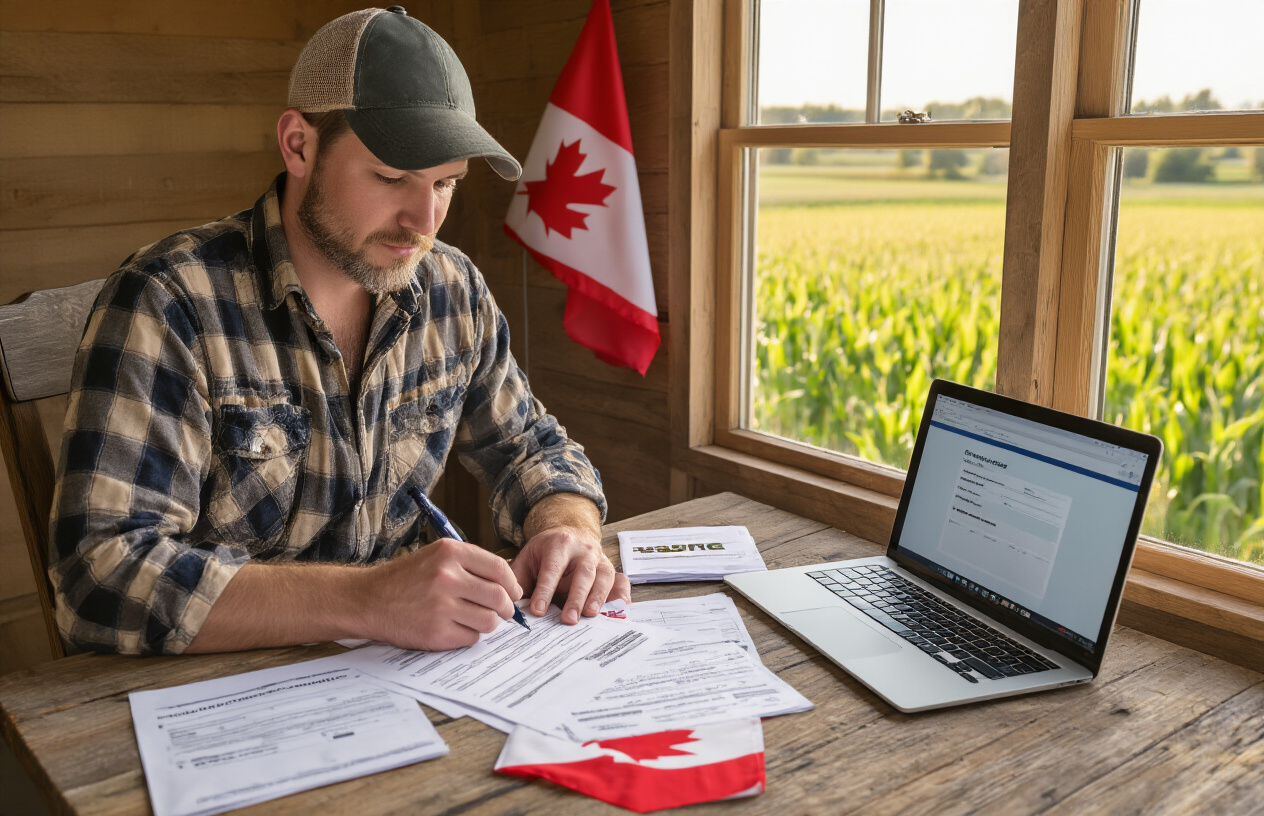
Farm worker visa sponsorship requirements include both employer and worker documentation. Workers must prepare their passport (valid for at least two years), educational certificates, and proof of relevant work experience. Medical examinations from approved panel physicians are mandatory for most agricultural positions, particularly those involving food handling or livestock care.
The employer must provide a formal job offer letter detailing position responsibilities, salary, working conditions, and accommodation arrangements. This letter must reference their approved LMIA and include specific details about the Canadian farm employment visa category under which you’ll be hired.
Language proficiency documentation varies by position and province. While formal testing isn’t always required for basic agricultural roles, some positions may require proof of English or French language skills. Workers should prepare certificates from recognized language training programs if available.
| Document Category | Required Items | Processing Time |
|---|---|---|
| Personal Documents | Passport, birth certificate, education certificates | Immediate |
| Medical Requirements | Panel physician exam, chest X-ray | 2-4 weeks |
| Employment Verification | Job offer letter, LMIA copy, work references | 1-2 weeks |
| Financial Documents | Bank statements, proof of funds | 1 week |
Police clearance certificates from your home country and any country where you’ve lived for more than six months are essential. These documents often take the longest to obtain, so start this process early. Some countries require notarization or apostille certification for international use.
Interview and selection process expectations
Most farm worker jobs Canada visa sponsorship positions involve phone or video interviews conducted directly by farm supervisors or through recruitment agencies. These conversations typically focus on practical experience, physical capabilities, and availability for seasonal work cycles. Employers want to understand your previous agricultural experience and assess your ability to handle specific crops or livestock.
Expect questions about your experience with farm equipment, irrigation systems, pest management, and harvesting techniques. Many employers ask about your physical fitness level and ability to work in various weather conditions. Be prepared to discuss your availability for extended work periods, especially during peak seasons that may require 10-12 hour days.
Some larger operations conduct group interviews or assessment days where multiple candidates demonstrate practical skills. These might include equipment operation tests, crop identification exercises, or simulated work scenarios. Greenhouse operations often test knowledge of plant care, while livestock farms may assess animal handling experience.
Communication skills matter even for positions that don’t require advanced English proficiency. Employers need workers who can understand safety instructions and work effectively with supervisors. Demonstrating a positive attitude and reliability often matters more than perfect language skills for many agricultural positions.
Timeline for visa approval and processing
Temporary foreign worker program agriculture processing times vary significantly based on your country of residence and the specific visa office handling your application. Standard processing times range from 4-12 weeks once you submit a complete application, but this doesn’t include the time needed to gather required documents.
The process typically begins when an employer receives LMIA approval, which can take 2-6 months depending on the occupation and region. Once you receive the job offer and LMIA copy, you can submit your work permit application. Peak application periods (typically January through March for seasonal positions) may result in longer processing times.
Expedited processing is available in some cases for urgent agricultural needs, particularly during critical planting or harvesting periods. This service can reduce processing times to 2-4 weeks but requires additional fees and strong justification from the employer.
Workers from visa-exempt countries often have faster processing times compared to those requiring visitor visas. Countries with established agricultural worker exchange agreements, such as Mexico and several Caribbean nations under the Seasonal Agricultural Worker Program Canada, typically experience more streamlined processing.
Medical examinations can add 2-4 weeks to the timeline, while police clearances may take 1-8 weeks depending on your home country’s processing systems. Starting the documentation process early and maintaining complete, accurate applications prevents delays that could jeopardize seasonal employment opportunities.
Salary Expectations and Employment Benefits

Average wage rates by province and job type
Farm worker jobs Canada visa sponsorship offers competitive compensation that varies significantly across provinces and agricultural sectors. Ontario leads with average hourly wages ranging from $15.50 to $18.75 for general farm laborers, while specialized positions like greenhouse technicians can earn $19-22 per hour. British Columbia follows closely with $16-20 hourly rates for fruit pickers and $18-25 for dairy farm workers.
Alberta’s agricultural sector pays $15-19 per hour for crop workers, with livestock specialists earning $17-23 hourly. Quebec offers $14.50-17 per hour for seasonal workers, though bilingual workers often command higher rates. The Maritime provinces typically range from $13.50-16 per hour, but lower living costs offset the wage difference.
| Province | General Farm Work | Specialized Roles | Livestock Care |
|---|---|---|---|
| Ontario | $15.50-$18.75 | $19-$22 | $16-$20 |
| British Columbia | $16-$20 | $20-$25 | $18-$23 |
| Alberta | $15-$19 | $18-$24 | $17-$23 |
| Quebec | $14.50-$17 | $17-$21 | $15.50-$19 |
Piece-rate work often provides higher earnings potential, with experienced berry pickers earning $20-30 per hour during peak seasons.
Accommodation and meal provisions
Most Canadian farm employment visa programs include free or subsidized housing as part of the compensation package. Employers typically provide dormitory-style accommodations, shared apartments, or on-farm housing units. These facilities must meet provincial health and safety standards, including proper heating, plumbing, and cooking facilities.
Shared accommodations usually house 2-4 workers per room, with common kitchen and bathroom facilities. Private rooms are available with some employers, particularly for returning seasonal workers or those in supervisory roles. Housing standards are regularly inspected by government agencies to ensure compliance with worker protection regulations.
Meal provisions vary by employer and program type. Many farms provide:
- Full meal plans with three daily meals
- Kitchen access with basic groceries supplied
- Meal allowances ranging from $10-15 daily
- Combination packages with some meals provided and kitchen privileges
Larger agricultural operations often have on-site cafeterias serving culturally appropriate meals, recognizing the diverse backgrounds of international workers.
Health insurance and medical coverage
Temporary foreign worker program agriculture participants receive comprehensive health coverage through various provincial and federal programs. Most provinces extend their public health insurance to temporary foreign workers after a brief waiting period, typically 90 days.
Coverage includes:
- Emergency medical treatment from day one of arrival
- Routine medical care through provincial health plans
- Workplace injury protection via Workers’ Compensation
- Prescription medication coverage in many provinces
Private health insurance bridges the gap during waiting periods, often paid by employers. This coverage includes doctor visits, hospital stays, and emergency services. Some employers purchase enhanced coverage that includes dental and vision care.
Workers’ compensation automatically covers all workplace injuries and illnesses, providing medical treatment, rehabilitation services, and income replacement if needed. This protection starts immediately upon employment and doesn’t require worker contributions.
Overtime pay and seasonal bonuses
Farm worker visa sponsorship requirements include adherence to provincial labor standards for overtime compensation. Most provinces mandate overtime pay at 1.5 times the regular rate after 8 hours daily or 44 hours weekly, though agricultural exemptions may apply during harvest periods.
Seasonal bonus structures reward worker loyalty and performance:
- Completion bonuses ranging from $500-2,000 for finishing full contracts
- Performance bonuses for exceeding productivity targets
- Early arrival incentives of $200-500 for workers starting before peak season
- Return bonuses of $300-800 for workers committing to multiple seasons
Peak season premiums often increase base wages by $1-3 per hour during critical periods like harvest time. Weekend work frequently earns premium rates, even when overtime rules don’t apply.
Many employers offer profit-sharing arrangements where workers receive additional compensation based on farm productivity or crop prices. These bonuses can add $1,000-5,000 to seasonal earnings, making agricultural jobs Canada foreign workers particularly attractive for motivated individuals seeking to maximize their income potential while gaining valuable international work experience.
Legal Rights and Protections for Foreign Farm Workers

Workplace Safety Regulations and Standards
Foreign farm workers in Canada enjoy the same workplace safety protections as Canadian citizens under provincial occupational health and safety legislation. Each province maintains strict safety standards that employers must follow, covering everything from proper equipment training to safe chemical handling procedures.
Workers have the right to refuse unsafe work without facing retaliation from employers. This includes situations involving faulty machinery, inadequate protective equipment, or exposure to harmful pesticides without proper safety measures. The Canada farm worker visa program 2026 ensures these protections apply to all agricultural jobs Canada foreign workers regardless of their temporary status.
Provincial safety inspectors conduct regular farm visits to ensure compliance with regulations. Workers can report safety violations anonymously through dedicated hotlines or online portals. Most provinces require employers to provide safety training in workers’ native languages and supply all necessary protective equipment at no cost to employees.
| Safety Protection | Coverage |
|---|---|
| Equipment Training | Mandatory before operation |
| Protective Gear | Employer-provided at no cost |
| Chemical Safety | Proper storage and handling protocols |
| Emergency Procedures | Clear evacuation and first aid plans |
Employment Contract Terms and Conditions
Employment contracts for visa-sponsored farm workers must meet specific federal and provincial standards. The temporary foreign worker program agriculture requires written contracts in both English and the worker’s native language, clearly outlining wages, working hours, accommodation details, and job responsibilities.
Contracts typically guarantee minimum wage or higher, with many positions offering piece-rate pay that can exceed standard hourly rates during peak seasons. Overtime compensation follows provincial labor standards, usually time-and-a-half after 40-44 hours per week depending on the province.
Housing provisions are mandatory for most seasonal agricultural worker program Canada positions. Employers must provide adequate, inspected accommodation that meets health and safety standards. This includes proper heating, plumbing, cooking facilities, and reasonable privacy. Workers cannot be charged excessive fees for housing that would bring their effective wages below minimum wage.
The contracts must specify:
- Exact wage rates and payment schedules
- Working hours and overtime policies
- Housing arrangements and associated costs
- Transportation provisions to and from work sites
- Medical insurance coverage details
- Duration of employment and renewal possibilities
Dispute Resolution and Support Resources
Multiple support systems exist to help foreign farm workers resolve workplace disputes and access assistance. Each province operates worker advocacy programs specifically designed for temporary foreign workers in agriculture.
Workers can contact provincial labor boards to file complaints about unpaid wages, unsafe working conditions, or contract violations. These boards investigate complaints and can order employers to pay compensation or correct violations. The process is confidential and workers are protected from employer retaliation.
Farm worker jobs Canada visa sponsorship programs include access to legal aid services through various non-profit organizations. These groups provide free legal advice, help with complaint filing, and can represent workers in disputes. Many operate multilingual hotlines staffed by advocates who understand the unique challenges faced by temporary foreign workers.
Emergency support services are available 24/7 through organizations like the Migrant Workers Alliance for Change and provincial farmer worker centers. These resources provide immediate assistance for serious safety concerns, wage theft, or housing issues.
Key support resources include:
- Provincial labor standards offices for wage and hour disputes
- Occupational health and safety complaint lines
- Legal aid clinics specializing in worker rights
- Community organizations offering translation services
- Emergency shelters for workers facing unsafe housing situations
- Consular services from workers’ home countries
Workers should document all interactions with employers, keep copies of pay stubs, and maintain records of working conditions to support any potential disputes. Most support organizations recommend contacting them early when problems arise rather than waiting for situations to escalate.
Pathways to Permanent Residency Through Farm Work
Express Entry system advantages for agricultural workers
The Express Entry system opens several doors for farm workers seeking farm worker permanent residency Canada. Agricultural workers gain valuable points through their Canadian work experience, which directly boosts their Comprehensive Ranking System (CRS) scores. Each year of farm work in Canada adds 40-50 points to your profile, making you more competitive against other candidates.
Your English or French language skills, developed while working on Canadian farms, count heavily toward your Express Entry score. Many farm workers improve their language abilities through daily interactions with supervisors and colleagues, which translates into higher test scores on IELTS or TEF exams.
The Canadian Experience Class (CEC) pathway within Express Entry specifically targets workers with Canadian employment history. Farm workers need just one year of skilled work experience to qualify, and agricultural positions like farm supervisors, agricultural service contractors, and livestock specialists fall under eligible occupations.
Provincial nomination criteria and processes
Each province sets unique criteria for nominating farm workers through their Provincial Nominee Programs (PNPs). British Columbia’s BC PNP prioritizes agricultural workers in their Skills Immigration stream, especially those working in the Peace River region. Alberta’s AINP focuses on livestock operations and crop production workers who demonstrate strong ties to rural communities.
Saskatchewan’s SINP offers the Farm Owner and Operator pathway, allowing experienced agricultural workers to purchase and operate farms while gaining permanent residency. Ontario’s OINP includes specific streams for agricultural workers, particularly those employed in Niagara region farms and greenhouse operations.
| Province | Program | Key Requirements | Processing Time |
|---|---|---|---|
| British Columbia | BC PNP | 2 years farm experience, job offer | 4-6 months |
| Alberta | AINP | Rural area employment, language skills | 6-8 months |
| Saskatchewan | SINP | Farm ownership or management role | 8-12 months |
| Ontario | OINP | Greenhouse/nursery experience preferred | 6-10 months |
Required work experience accumulation periods
Building sufficient work experience for permanent residency requires strategic planning. Most agricultural worker immigration Canada pathways demand 12-24 months of continuous employment. Seasonal workers need to accumulate full-time equivalent hours, which means working multiple seasons to reach the required threshold.
The Temporary Foreign Worker Program allows agricultural workers to work up to four years on closed work permits, providing ample time to gather qualifying experience. Workers must maintain detailed employment records, including pay stubs, tax documents, and reference letters from employers.
Different immigration streams have varying experience requirements:
- Express Entry CEC: 1 year full-time equivalent
- Provincial Nominee Programs: 1-2 years depending on province
- Caregiver programs with agricultural components: 2 years
- Rural and Northern Immigration Pilot: 1 year in designated communities
Family sponsorship opportunities after residency
Once you achieve permanent residency through farm work, family reunification becomes accessible. Canadian permanent residents can sponsor spouses, dependent children, parents, and grandparents for immigration. The sponsorship process typically takes 12-24 months for immediate family members.
Sponsored family members receive the same rights as other permanent residents, including access to healthcare, education, and eventually citizenship eligibility. Many rural farming communities actively support family integration through settlement services, language classes, and employment assistance for sponsored relatives.
Agricultural workers often find their spouses can secure employment in related sectors like food processing, agricultural equipment sales, or farm administration. Children benefit from Canada’s public education system and may qualify for in-province tuition rates at colleges and universities, making higher education more affordable for farming families establishing roots in Canada.
Canada’s farm worker visa sponsorship programs open doors to meaningful employment opportunities across the country’s agricultural sector. From understanding the application process and qualifying requirements to exploring high-demand positions in provinces like Ontario, Alberta, and British Columbia, foreign workers have multiple pathways to secure sponsored employment. The combination of competitive salaries, comprehensive benefits, and strong legal protections makes these programs attractive for those seeking stable work in Canada’s farming industry.
The journey from temporary farm worker to permanent resident is very much within reach for dedicated individuals. With proper preparation, meeting qualification standards, and choosing the right province and employer, you can build a successful career in Canadian agriculture. Start by researching specific programs that match your skills and experience, then connect with employers who actively sponsor foreign workers. Your future in Canada’s thriving agricultural sector could be just an application away.