The landscape of American healthcare is constantly shifting, and 2026 is no exception. With inflation stabilizing but medical costs still rising, finding the right health insurance plan feels less like shopping and more like solving a complex puzzle. Whether you are self-employed, managing a family, or transitioning between jobs, the pressure to secure comprehensive coverage without breaking the bank is real.
Choosing the right plan isn’t just about picking the lowest monthly payment. It requires balancing potential out-of-pocket costs against the reality of your medical needs. A plan that looks cheap on paper can become financially devastating after a single emergency room visit if the deductible is too high. Conversely, paying top dollar for a “platinum” plan might be a waste of money if you rarely see a doctor.
This guide breaks down the best health insurance options available in 2026. We will explore the top-rated national providers, navigate the specific needs of freelancers and small business owners, and explain the financial tools that can help you save tax-free dollars. By the end, you will have a clear roadmap to enrolling in a plan that protects both your health and your wallet.
The 2026 Health Insurance Landscape: What’s New?
As we settle into 2026, several trends are shaping how Americans access healthcare. The Affordable Care Act (ACA) marketplace remains robust, with subsidies continuing to make premiums more manageable for millions of households. However, insurers are adjusting their strategies in response to higher utilization rates and expensive new drug therapies.
One major shift this year is the increased emphasis on virtual-first health plans. Many major carriers are now offering plans where your primary care physician is digital-based. These plans often come with lower premiums and $0 copays for virtual visits, making them an attractive option for younger, tech-savvy individuals who don’t have chronic conditions requiring in-person monitoring.
Another trend is the tightening of provider networks. To keep costs down, insurers are negotiating stricter contracts with hospital systems. This means “Exclusive Provider Organization” (EPO) plans are becoming more common than the flexible but expensive “Preferred Provider Organization” (PPO) plans. Understanding these nuances is critical before signing on the dotted line.
Finally, mental health coverage is no longer an afterthought. Regulatory changes and consumer demand have forced insurers to expand their behavioral health networks, though finding in-network therapists remains a challenge in many rural areas.
Key Factors: Premiums, Deductibles, and Networks
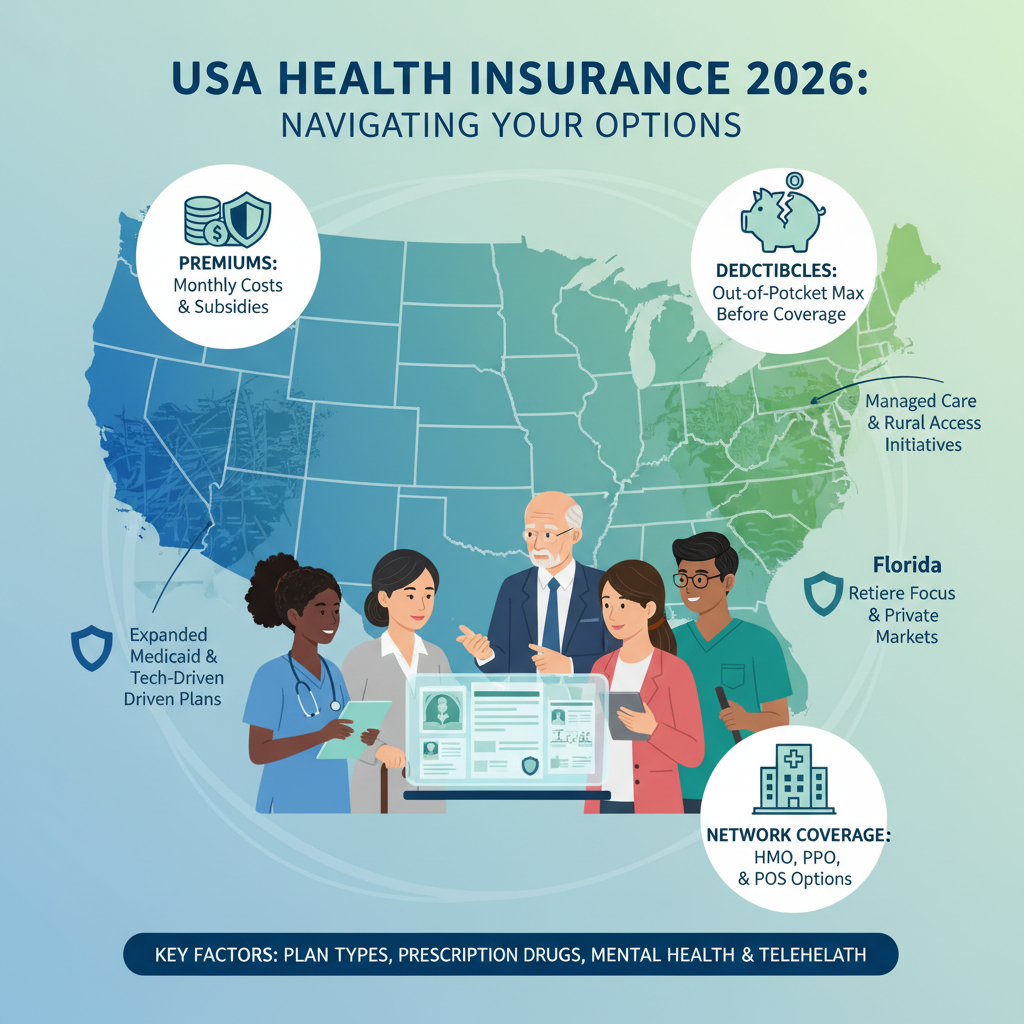
Before diving into specific companies, you must understand the “Big Three” cost factors. These elements work like levers: when you pull one down, another usually goes up.
1. Premiums vs. Deductibles
The premium is your fixed monthly cost—the bill you pay just to have insurance. The deductible is what you must pay out-of-pocket for medical services before your insurance kicks in.
- High-Deductible Health Plans (HDHPs): These have lower monthly premiums but high deductibles (often $1,600+ for individuals). They are best for healthy people who want protection against catastrophic events but don’t expect frequent doctor visits.
- Low-Deductible Plans: These have higher monthly premiums but start paying for care sooner. They are ideal for individuals with chronic conditions, regular prescriptions, or those planning a major medical event like pregnancy or surgery.
2. Out-of-Pocket Maximum
This is your financial safety net. It is the absolute most you will pay in a year for covered services. Once you hit this number, the insurance company pays 100% of allowed charges. In 2026, the federal limit for out-of-pocket maximums has adjusted slightly for inflation, so be sure to check the specific cap on any plan you consider.
3. Network Coverage Types
Knowing your acronyms is essential to avoiding surprise bills.
- HMO (Health Maintenance Organization): Usually the cheapest option. You must stay in-network and get a referral from a primary care doctor to see a specialist.
- PPO (Preferred Provider Organization): The most flexible option. You can see out-of-network doctors (for a higher cost) and don’t need referrals for specialists.
- EPO (Exclusive Provider Organization): A middle ground. You don’t need referrals, but you generally have no coverage if you go out-of-network, except in true emergencies.
- POS (Point of Service): A hybrid of HMO and PPO. You need a referral, but you have some out-of-network coverage.
Top-Rated National Providers for Individuals and Families
Based on customer satisfaction scores, financial stability, and network size, these carriers stand out in the 2026 marketplace.
Blue Cross Blue Shield (BCBS)
Best for: Nationwide Coverage
Blue Cross Blue Shield is actually a federation of independently operated companies, but together they cover one in three Americans. Their greatest strength is their massive network. If you travel frequently or live in a rural area, BCBS is often the safest bet to ensure you can find a doctor nearby. Their “Blue Card” program allows members to access care across state lines easily.
UnitedHealthcare
Best for: Digital Tools and Wellness Perks
UnitedHealthcare (UHC) continues to lead the pack in technology. Their app allows for easy appointment scheduling, claim tracking, and virtual visits. In 2026, UHC has expanded its wellness rewards program, allowing members to earn significant gift cards or HSA contributions by meeting daily step goals or completing health assessments.
Kaiser Permanente
Best for: Integrated Care (HMO)
Available only in specific regions (like California, Colorado, and the mid-Atlantic), Kaiser operates differently than traditional insurers. They are both the insurer and the medical provider. This integrated model means your insurance company and your doctor are on the same team. While their HMO model is restrictive, the quality of care and ease of coordination are consistently rated highest in the industry.
Cigna
Best for: Global Mobility and Customer Service
Cigna is a strong contender for those who prioritize customer support. They offer 24/7 access to nurses and customer service representatives. Additionally, their global plans are excellent for expats or frequent international travelers who need seamless coverage abroad.
Aetna (CVS Health)
Best for: Convenient Care Access
Since merging with CVS Health, Aetna has leveraged the vast network of CVS MinuteClinics. Many Aetna plans offer low-cost or no-cost visits to these walk-in clinics, making it incredibly easy to get treatment for minor illnesses like strep throat or the flu without waiting for a doctor’s appointment.
Options for Freelancers, Gig Workers, and Entrepreneurs
If you don’t have an employer sponsoring your plan, the open market can feel like the Wild West. However, 2026 offers tailored solutions for the self-employed.
The Health Insurance Marketplace (Healthcare.gov)
For most freelancers, ACA plans remain the gold standard because they cover pre-existing conditions and essential health benefits (like maternity and mental health). Subsidies are based on income, so even if you had a profitable year, check if you qualify for premium tax credits.
Association Health Plans (AHPs)
Membership organizations often group independent workers together to buy insurance at “large group” rates.
- Freelancers Union: Offers curated plans specifically for creative and independent workers.
- Industry-Specific Groups: Check with professional organizations (e.g., bar associations for lawyers, realtor associations) to see if they offer member benefits.
Short-Term Health Insurance
Warning: These plans are not ACA-compliant. They can deny coverage based on medical history and usually don’t cover maternity or mental health. However, if you are young, healthy, and just need coverage for a three-month gap between contracts, they are significantly cheaper than major medical plans. Use these with extreme caution.
HSA vs. FSA: Maximizing Tax Advantages
Smart healthcare planning involves more than just insurance; it involves tax strategy.
Health Savings Account (HSA)
To open an HSA, you must have a High-Deductible Health Plan (HDHP).
- The Benefit: It offers a triple tax threat. Contributions are tax-deductible, growth is tax-free, and withdrawals for medical expenses are tax-free.
- The Strategy: Unlike an FSA, HSA funds roll over year to year. Many financial advisors recommend treating your HSA as a retirement vehicle for future healthcare costs. In 2026, contribution limits have increased, allowing you to shelter more income.
Flexible Spending Account (FSA)
These are typically only available through an employer.
- The Benefit: You contribute pre-tax dollars to pay for copays, prescriptions, and medical gear.
- The Catch: It is “use it or lose it.” If you don’t spend the money by the end of the plan year (or grace period), the funds disappear.
State-by-State Variations
Healthcare is local. A plan that is fantastic in New York might be unavailable or terrible in Florida.
- New York & California: These states have their own robust exchanges and often ban short-term health plans entirely to protect the stability of the ACA pool. Premiums here tend to be higher, but coverage is more comprehensive.
- Texas & Florida: These states rely on the federal marketplace. They often have more competition among providers, which can drive premiums down, but they may also offer more non-compliant “skinny” plans that offer very little real protection.
- Rural States (e.g., Wyoming, Alaska): Residents often face the highest premiums simply because there are fewer doctors and insurers competing for business. In these areas, BCBS is often the only viable option.
Step-by-Step Guide to Enrolling and Saving
Ready to sign up? Follow this workflow to ensure you get the best deal.
1. Check Your Enrollment Period
- Open Enrollment: typically runs from November 1st to January 15th.
- Special Enrollment Period (SEP): You can enroll mid-year if you have a “Qualifying Life Event,” such as getting married, having a baby, losing job-based coverage, or moving to a new zip code.
2. Gather Your Data
You will need your projected household income for 2026. Be accurate—underestimating income can lead to a tax bill later if you received too much in subsidies.
3. Compare Total Annual Cost
Don’t just look at the premium. Do the math:
(Monthly Premium x 12) + Deductible = Total Potential Risk
If you expect to use a lot of care, a plan with a $500 monthly premium and a $1,000 deductible ($7,000 total) might be cheaper effectively than a plan with a $300 premium and a $6,000 deductible ($9,600 total).
4. Verify Your Doctors and Drugs
Never assume your doctor is in-network, even if they were last year. Check the provider directory for the specific plan name (e.g., “Cigna Connect” might have a different network than “Cigna Choice”). Similarly, check the plan’s drug formulary to see what “tier” your prescriptions fall into.
5. Look for “Silver Loading” (Silver Plans)
If you qualify for Cost-Sharing Reductions (CSRs) based on income, you must buy a Silver-tier plan to get them. These subsidies lower your deductible and copays, effectively turning a Silver plan into a Platinum plan for a fraction of the price.
Securing Your Health and Future
Navigating the 2026 health insurance market requires patience and attention to detail. By understanding the trade-offs between premiums and deductibles, verifying network coverage, and utilizing tax-advantaged accounts like HSAs, you can build a safety net that is robust enough to handle the unexpected.
Remember, the “best” plan is subjective. It is the one that gives you access to the care you need at a price that doesn’t keep you up at night. Take the time to compare your options now so you can focus on living a healthy life later.