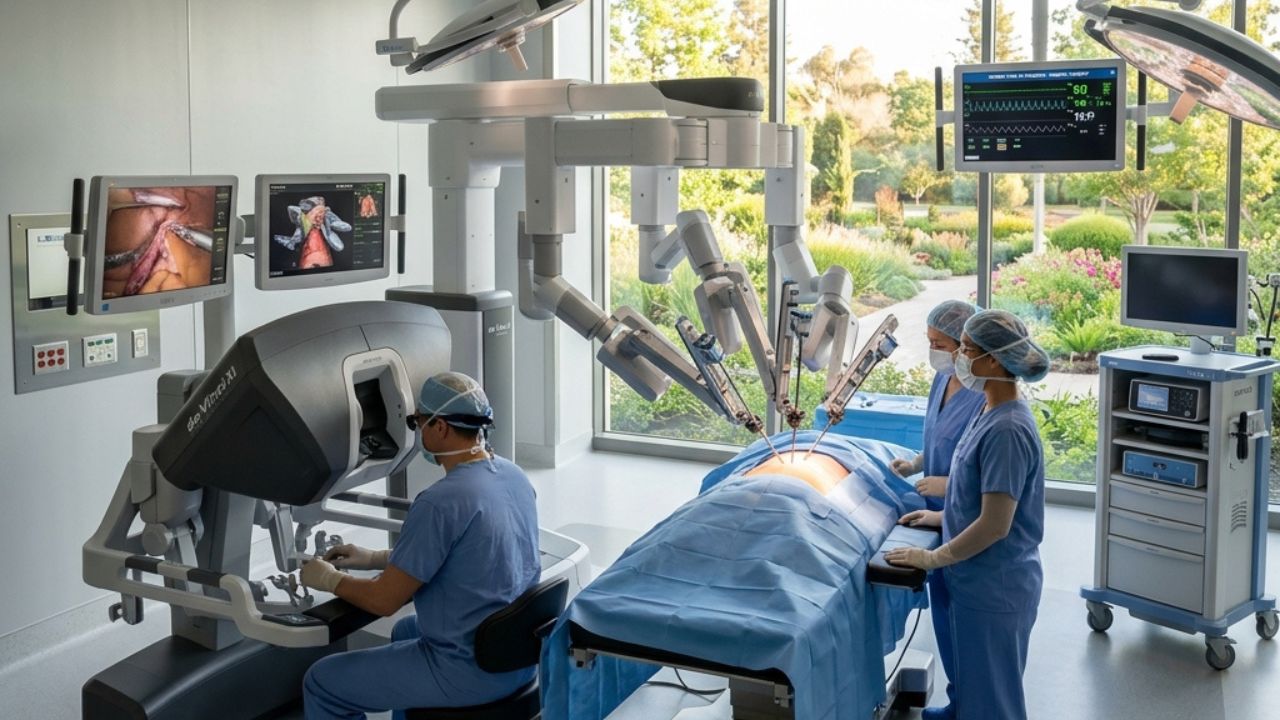
Receiving a prostate cancer diagnosis brings a wave of questions, concerns, and crucial decisions. One of the most significant choices you will make involves your treatment plan. For many men, surgical removal of the prostate is the recommended path toward a cancer-free life.
Robotic-assisted radical prostatectomy has changed how surgeons approach this complex procedure. Using advanced systems like the da Vinci Surgical System, doctors can operate with enhanced precision, flexibility, and control. This minimally invasive approach typically results in smaller incisions, reduced blood loss, and a faster return to daily activities compared to traditional open surgery.
Finding the right medical center to perform this procedure is just as important as the surgery itself. Expertise varies widely from one facility to another, and the skill of your surgical team directly impacts your recovery and long-term quality of life. This guide highlights the top hospitals for robotic prostate surgery in the United States, alongside essential advice on preparing for your procedure and managing your recovery.
What to Look for in a Surgical Center
Not all hospitals offer the same level of care when it comes to robotic prostatectomies. Evaluating a facility requires looking beyond basic reputation. You need to understand their specific experience with robotic urologic procedures.
Surgeon Expertise and Case Volume
The single most critical factor in your surgery’s success is the experience of your surgeon. High-volume surgeons—those who perform hundreds of robotic prostatectomies annually—consistently achieve better outcomes. They have encountered a wide variety of anatomical challenges and know how to adapt the robotic instruments to spare delicate nerves surrounding the prostate.
Advanced Technology and Facilities
Top-tier hospitals invest heavily in the latest robotic surgical systems. These machines feature high-definition 3D vision and instruments that bend and rotate far beyond the capabilities of the human hand. Centers that frequently upgrade their technology demonstrate a commitment to providing the best possible surgical tools.
Comprehensive Patient Outcomes
A successful surgery involves more than just removing the cancer. Post-operative quality of life, particularly urinary continence and sexual function, matters deeply. Leading hospitals track these specific outcomes and openly discuss their nerve-sparing success rates with prospective patients. They also utilize a multidisciplinary approach, involving urologists, oncologists, physical therapists, and specialized nurses in your care plan.
Leading Hospitals for Robotic Prostate Surgery
Several medical institutions across the United States have established themselves as pioneers in robotic urologic oncology. These centers combine high surgical volumes with extensive research programs.
Mayo Clinic (Rochester, Minnesota)
The Mayo Clinic consistently ranks among the top urology departments in the country. Their approach to robotic prostate surgery emphasizes nerve-sparing techniques designed to preserve sexual and urinary function. Surgeons here work within a highly integrated system, meaning your case benefits from the combined expertise of multiple oncological specialists. Mayo Clinic’s extensive follow-up care program ensures patients receive ongoing support long after they leave the operating room.
Johns Hopkins Hospital (Baltimore, Maryland)
Johns Hopkins holds a historic place in prostate cancer treatment, having pioneered the original nerve-sparing radical prostatectomy. Today, their Brady Urological Institute leads the way in robotic adaptations of this surgery. Patients benefit from an institution that treats a massive volume of complex cases. Their surgical teams are heavily involved in clinical trials, giving patients access to cutting-edge recovery protocols and surgical refinements.
Cleveland Clinic (Cleveland, Ohio)
The Glickman Urological & Kidney Institute at Cleveland Clinic is a global destination for urologic care. Their robotic surgery program is renowned for handling high-risk and advanced-stage prostate cancer cases. Cleveland Clinic surgeons utilize advanced imaging techniques during robotic procedures to map the prostate in real-time, allowing for incredibly precise tumor removal.
Memorial Sloan Kettering Cancer Center (New York, New York)
As a facility dedicated entirely to cancer care, Memorial Sloan Kettering (MSK) offers unparalleled oncological expertise. Their robotic prostatectomy program features some of the most experienced surgeons in the world. MSK places a strong emphasis on predicting patient outcomes using sophisticated nomograms, helping men understand their specific risks and recovery timelines before committing to surgery.
The University of Texas MD Anderson Cancer Center (Houston, Texas)
MD Anderson operates one of the most active robotic surgery centers in the nation. Their genitourinary oncology team approaches prostate cancer with a highly personalized strategy. Surgeons at MD Anderson frequently collaborate with radiation oncologists and medical oncologists to ensure surgery fits perfectly within a broader, comprehensive cancer treatment plan.
Real Patient Success Stories
Hearing from men who have navigated this journey provides invaluable perspective. These stories highlight the realities of the surgical process and the return to normalcy.
David, a 58-year-old teacher, traveled to Cleveland Clinic after a localized prostate cancer diagnosis. “My primary concern was incontinence,” he notes. “My surgeon walked me through the robotic nerve-sparing process and gave me realistic expectations. The first few weeks were challenging, but by month three, I was back to hiking and teaching without giving my bladder a second thought.”
Michael, 64, chose Johns Hopkins for his procedure. He emphasizes the importance of the medical team’s communication. “The robotic surgery meant I was out of the hospital the next day. The recovery was faster than I anticipated, but the true value was the nursing staff. They guided me through the catheter care and pelvic floor exercises, making a highly stressful situation manageable.”
Preparing for Your Procedure
Proper preparation significantly influences your recovery trajectory. Taking active steps before you enter the operating room sets your body up for a smoother healing process.
Physical Conditioning
Your physical fitness matters. Medical professionals often recommend “prehabilitation” to strengthen the body before surgery. Focus on cardiovascular health and core strength. Most importantly, begin performing Kegel exercises several weeks before your operation. Strengthening your pelvic floor muscles early helps you regain urinary control much faster after the catheter is removed.
Organizing Your Home and Support System
You will need assistance during the first week of recovery. Arrange for a family member or friend to drive you home from the hospital and help with household tasks. Prepare your recovery space by placing essential items within easy reach, minimizing the need to bend or stretch. Stock your pantry with healthy, fiber-rich foods to prevent constipation, a common side effect of pain medication.
Navigating Recovery and Care
Understanding the post-operative timeline helps alleviate anxiety and allows you to focus purely on healing.
The First Few Weeks
You will leave the hospital with a urinary catheter in place, which typically remains for one to two weeks. Your care team will provide detailed instructions on managing and cleaning the device. Mild discomfort and fatigue are normal during this period. Walking is highly encouraged; short, frequent walks around your house prevent blood clots and stimulate bowel function.
Long-Term Healing
Once the catheter is removed, you will likely experience some degree of urinary leakage. This is where your pre-surgery Kegel exercises pay off. Continue your pelvic floor therapy diligently. Most men see significant improvement in continence within three to six months. Sexual function recovery operates on a longer timeline, often taking up to a year or more to see maximum improvement, depending on your age and whether a nerve-sparing technique was successful.
Regular follow-up appointments will involve PSA (Prostate-Specific Antigen) blood tests to monitor for any signs of cancer recurrence. These check-ins are vital for your long-term health and provide peace of mind.
Moving Forward with Confidence
Robotic prostate surgery represents a remarkable intersection of medical expertise and technological innovation. Facilities like Mayo Clinic, Johns Hopkins, and MD Anderson continue to push the boundaries of what is possible, resulting in highly effective cancer treatments with fewer side effects.
Taking an active role in choosing your hospital and surgeon empowers you during a vulnerable time. By prioritizing high-volume centers and dedicating yourself to physical preparation and recovery, you can navigate prostate cancer treatment effectively. The journey requires patience and resilience, but advanced robotic surgery provides a strong foundation for reclaiming your health and your life.