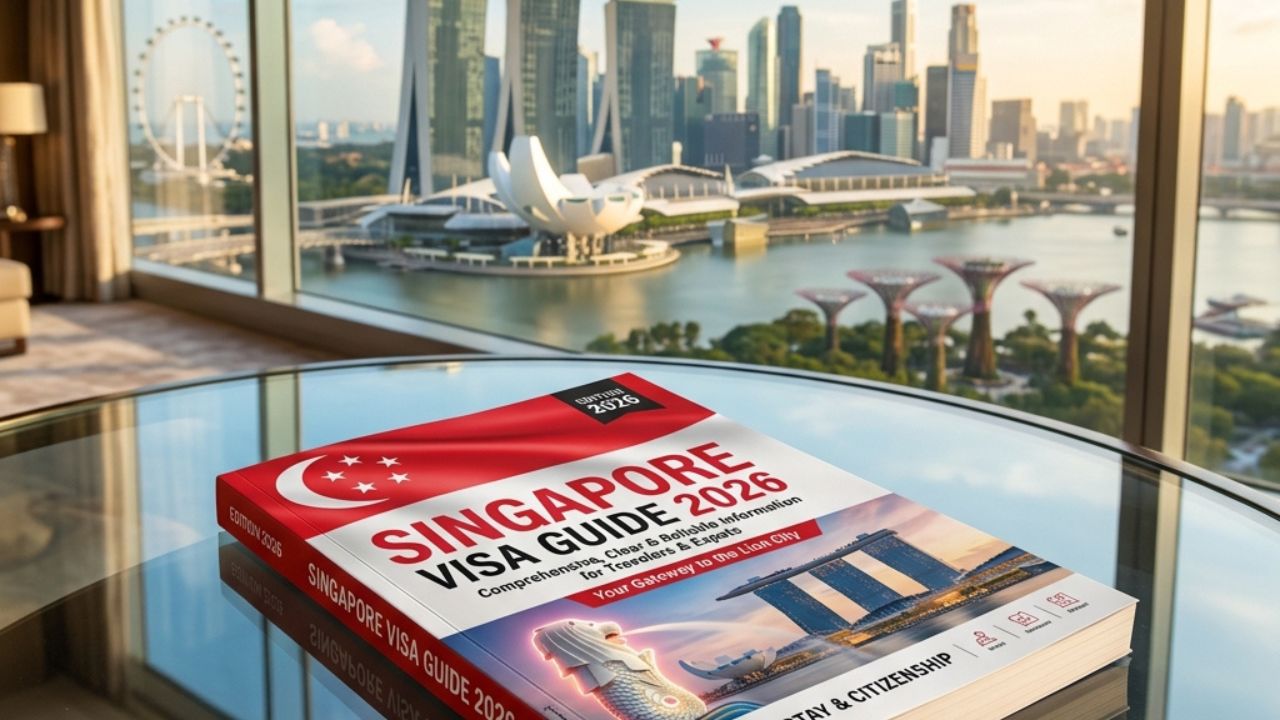
Planning a trip to the Lion City involves more than just booking flights and packing your bags. Understanding the entry protocols is a crucial first step for a smooth travel experience. Singapore remains a top destination for tourism, business, and education, drawing millions of global visitors every year. With evolving immigration policies, staying updated on the latest entry rules ensures your travel plans go off without a hitch.
Navigating immigration rules can feel overwhelming. Different countries have different agreements with Singapore, meaning the process varies significantly depending on your passport. Some travelers can simply arrive and walk through immigration, while others must secure a visa weeks in advance.
This comprehensive guide breaks down everything you need to know about securing a Singapore visa in 2026. We cover the specific documents you need, the various visa categories available, processing times, and associated costs. Read on to find exactly what you need to prepare for your upcoming trip.
Do You Need a Visa for Singapore?
The first question every traveler must answer is whether they actually need a visa. Singapore has a remarkably open immigration policy, granting visa-free entry to citizens of over 150 countries. Visitors from the United States, the United Kingdom, Australia, and most European Union nations can typically enter Singapore for tourism or business purposes for 30 to 90 days without a visa.
However, Singapore classifies certain nationalities into two groups that do require advance visas: Assessment Level I and Assessment Level II.
Assessment Level I Countries
Travelers from these nations can generally apply for an electronic visa (e-Visa) online. This group often includes countries like India, China, and several nations in Eastern Europe. The e-Visa process is relatively streamlined, allowing travelers to print their visa approval at home before departure.
Assessment Level II Countries
Citizens of Assessment Level II countries face a more rigorous application process. This list primarily includes nations in the Middle East and North Africa. Applicants from these countries typically need a paper visa stamped in their passport and must often apply through an authorized visa agent or a local contact in Singapore.
Even if you are exempt from a visa, all travelers must fill out the SG Arrival Card (SGAC) within three days prior to their arrival. This digital health and customs declaration is mandatory for everyone passing through Singapore’s checkpoints.
Types of Singapore Visas
Singapore offers several visa categories tailored to the purpose of your visit. Selecting the correct category is vital to avoid application rejection or complications at border control.
Tourist Visa
The standard tourist visa caters to individuals visiting Singapore for leisure, sightseeing, or visiting friends and family. It typically allows for a short stay, often up to 30 days. Tourist visas do not permit any form of paid or unpaid employment during your stay.
Business Visa
If you are attending conferences, negotiating contracts, or participating in corporate meetings, you need a business visa. While the application process closely mirrors the tourist visa, you will need additional documentation, such as an invitation letter from a registered Singaporean company.
Transit Visa
Travelers passing through Singapore Changi Airport to a third destination might need a transit visa. However, many nationalities qualify for the Visa Free Transit Facility (VFTF), which allows a 96-hour layover without a formal visa, provided they have a valid onward ticket and meet specific criteria.
Employment Passes and Work Visas
For those looking to work in Singapore, a standard short-term visa will not suffice. The Ministry of Manpower (MOM) issues various work passes, such as the Employment Pass (for foreign professionals, managers, and executives earning a minimum qualifying salary) and the S Pass (for mid-level skilled staff).
Student Pass
International students accepted into full-time courses at recognized Singaporean educational institutions must apply for a Student Pass. The school usually initiates this process through the Student’s Pass On-Line Application & Registration (SOLAR) system.
Singapore Visa Requirements
Gathering the correct documentation is the most important part of the application process. Missing or incorrect documents lead to delays and denials. While specific requirements can vary based on your nationality and visa type, the standard documents include:
- Valid Passport: Your passport must have at least six months of validity remaining from your planned date of entry into Singapore. It should also have blank pages for entry stamps.
- Completed Application Form: You must accurately fill out Form 14A. This form asks for your personal details, travel history, and the purpose of your visit.
- Passport-Sized Photographs: Provide two recent color passport photos taken against a white background. The photos must meet Singapore’s strict dimensional and quality guidelines.
- Proof of Onward Travel: Immigration officials want to see that you intend to leave. A confirmed return flight ticket or an onward ticket to your next destination is required.
- Accommodation Details: You need to provide proof of where you will stay, such as hotel reservations or a letter of invitation from a host in Singapore.
- Bank Statements: Proof of sufficient funds to support yourself during your stay is necessary. Recent bank statements usually satisfy this requirement.
- Letter of Introduction (LOI): For business visas, or for applicants from Assessment Level II countries, a Letter of Introduction from a local Singaporean contact or a registered company is mandatory.
How to Apply for a Singapore Visa
Singapore does not accept individual walk-in applications at its embassies or consulates. Instead, the government utilizes a localized application system. Here is the step-by-step process.
Step 1: Identify Your Application Method
You must apply through one of the following channels:
- A Local Contact: A Singapore citizen or Permanent Resident (at least 21 years old) can submit the application on your behalf using their SingPass account.
- An Authorized Visa Agent: Singapore overseas missions appoint specific travel agencies and visa agents to handle applications.
- A Strategic Partner: Certain approved businesses and organizations can apply for their clients or employees.
Step 2: Prepare Your Documents
Gather all the required documents listed in the previous section. If you are using an agent, they will usually ask for physical or scanned copies of these forms to process on your behalf.
Step 3: Submission via the SAVE System
Your local contact or authorized agent will log into the Submission of Application for Visa Electronically (SAVE) system. They will enter your details, upload your documents, and pay the processing fee online.
Step 4: Wait for Processing
Once submitted, you will receive an application reference number. You can use this number to track the status of your visa online through the ICA (Immigration & Checkpoints Authority) website.
Step 5: Receive Your Visa
If approved, Assessment Level I applicants will receive an e-Visa, which should be printed and presented at the border. Assessment Level II applicants may need to collect a physical visa endorsement.
Singapore Visa Fees
Budgeting for your visa application is straightforward. The Singapore government charges a flat, non-refundable processing fee of SGD 30 for every application submitted.
Keep in mind that this SGD 30 covers only the government’s processing cost. If you use an authorized visa agent or a travel agency, they will charge an additional service fee. These service fees vary widely depending on the agency and your location, often ranging from USD 20 to USD 50. Always confirm the total cost with your agent before handing over your documents.
Processing Time for Singapore Visa
Timely application is essential. The standard processing time for a Singapore visa is usually three to five working days, excluding the day of submission, weekends, and public holidays.
However, processing times can stretch longer during peak travel seasons or if the ICA requires additional documentation or an interview. It is highly recommended to start your visa application process at least 30 days before your intended departure date. Applying too early (e.g., three months in advance) is also discouraged, as short-term visas typically expire within 30 to 90 days from the date of issue.
Singapore Visa Application FAQs
Can I extend my tourist visa once I am in Singapore?
Yes, it is possible to apply for an extension of stay online via the ICA e-Service portal. You must submit your extension request before your current pass expires. Approval is strictly at the discretion of the ICA, and you should not assume it will be granted automatically.
What happens if my visa application is rejected?
If your application is denied, the ICA generally does not provide specific reasons for the rejection. You can submit an appeal, but you should only do so if you can provide new, compelling information or documents that were not included in your original application.
Is the SG Arrival Card the same as a visa?
No. The SG Arrival Card is a mandatory electronic health and customs declaration that all travelers must submit within three days of arriving in Singapore. It does not replace a visa. If your nationality requires a visa, you must secure it in addition to completing the SG Arrival Card.
Do children need a separate visa application?
Yes, every individual traveling to Singapore, including infants and children on their parents’ passports, must have their own approved visa if their nationality requires one.
Prepare for Your Singapore Adventure
Securing your Singapore visa for 2026 does not have to be a stressful ordeal. By identifying your specific passport requirements, gathering the necessary documentation, and applying through the correct authorized channels, you set yourself up for a hassle-free entry.
Take the time to double-check your application forms and ensure your passport has plenty of validity remaining. Once your paperwork is sorted and your e-Visa is printed, you can shift your focus to the exciting part: planning your itinerary and anticipating the vibrant culture, world-class food, and stunning architecture waiting for you in Singapore.